
Brewery
-
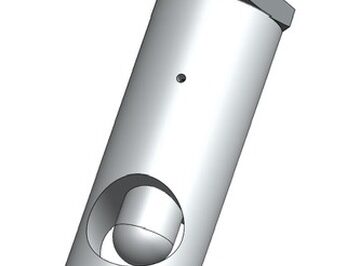
Sanitary pinch valves, updated design
Discover Our Redesigned Pinch Valves We’ve upgraded our original pneumatic pinch valves with a durable anodized aluminum body, offering enhanced longevity and effortless cleaning. Take a look at the original design here.
-
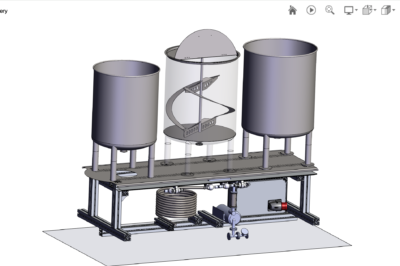
View our brewery in 3D
Not complete but you get the picture
-

Gammabrewery Showcases Innovative Brewing Solutions at Beer and Taste 2024
We’re excited to announce that Gammabrewery, in collaboration with Winterland Brewery and Lonitech AB, will be presenting our latest brewing innovations at Beer and Taste in Umeå (Nolia) on October 18-19, 2024! This is your chance to see firsthand how our cutting-edge equipment can enhance your brewing process—whether you’re a homebrewer looking to up your…
-
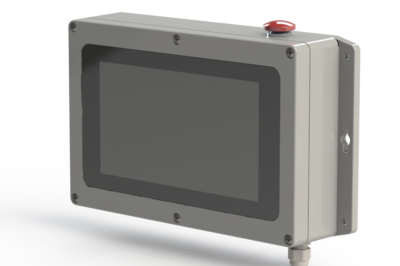
The LoniBrew controller is here!
Read all about it at the systems main page!
-
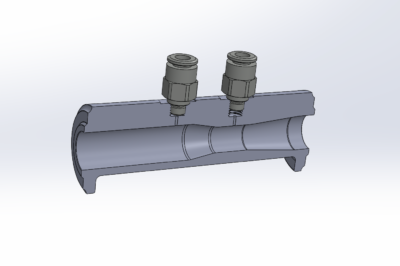
Venturi pipe for flow measurements
As we were going through the brewery’s hose system and replacing the sanitary valves, we also found the need to upgrade our flowmeter to a larger size. We started from the same theory as the previous version but made it more robust and, most importantly, designed it for higher flows. With the old venturi pipe,…
-
Pneumatic pinch valves
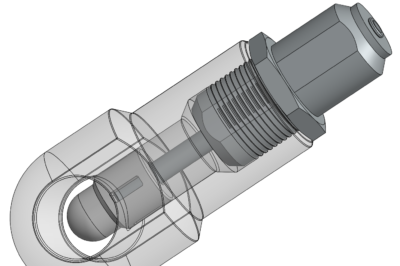
Due to our constant pursuit of enhancing our system, we began reevaluating hoses and flows within the brewing system. The design of the previous servo-pinch valves had dictated the placement of the valves and consequently the routing of all hoses within the system. Unfortunately, the valve placements often necessitated unnecessarily long hoses. During the optimization…
-
CIP-lid for the brewery
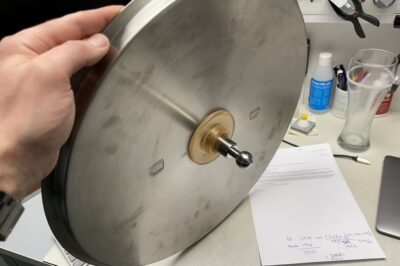
We use a CIP-ball for the fermenter and it works really great. We would like to use CIP on our kettles as well and we made this modification to a spare lid we had so that we could use the same CIP-ball for the brew kettles. The pump used is a submersible water pump (intended…
-
Steam condenser
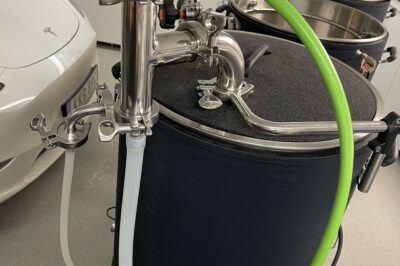
We do our brews in a garage, a large private garage but we do not want to destroy the ceiling so we have invested in a capable steam condenser for the boil kettle. It works really great!
-
Sparge arm/mash manifold
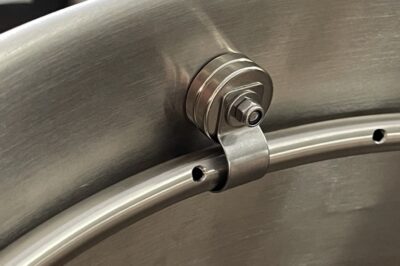
We have used the “standard” sparge arm that is designed for the MLT but we wanted something that was more dynamic and gave room for stirring the bed if necessary so we designed a ring of 12 mm SS tubing with a quick connector tee that the mash inlet connects to. The ring is held…
-
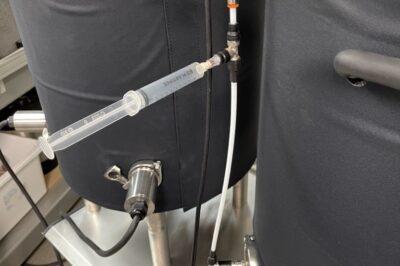
Digital “suction” sensor
Many brewers use manometers or clear hoses at the bottom of the MLT to monitor the pressure below the grain bed. We have taken it to the next level and put a differential pressure sensor (1 psi range) between the bottom and top of the MLT to be able to digitally monitor and log the…
-
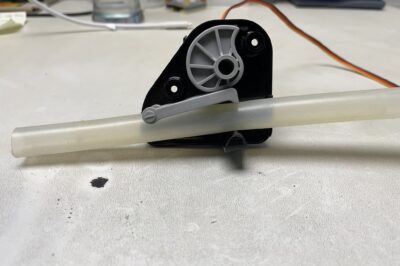
The servo valves (OLD)
These valves are now retired and replaced with Pneumatic pinch valves. About the only thing we salvaged from our first brewery, the Brewie B20, was the servo valves for 16×12 mm silicone hose. They are actually what makes our system so automated today. They pinch the hose to close and are therefor very sanitary and…
-
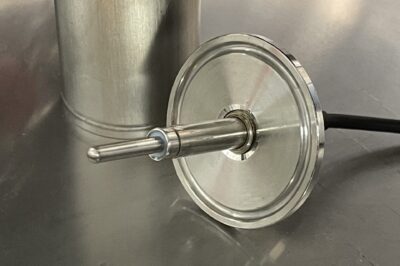
Temperature sensor system
We use six temperature sensors in the brewery for measuring the We use 1.5″ thermo wells for HLT, mash bottom and boil, and custom built sensor probes for mash inlet and outlet (after cooler).The reason for using custom probes is that the thermo wells ads latency to the measurement system that is not desirable for…
-
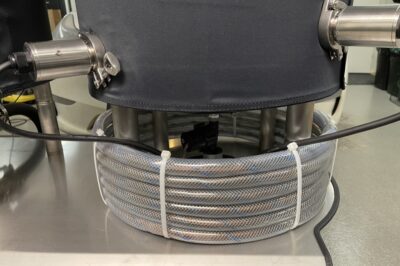
DIY Counterflow Cooler (old)
At first we used a plate heat exchanger but they are a pain to clean and not very effective so we made our own counterflow cooler out of 9 m of 12 mm copper tubing, some reinforced PVC hose and some pipe fittings. We wrapped grass trimmer cord around the pipe to delaminate the flow…
-
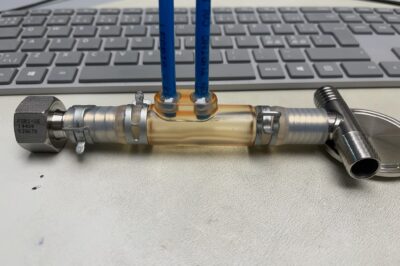
Venturi pipe for flow measurements (OLD)
This system is now updated with a bigger version! We started with a traditional flow sensor with an impeller but it was not accurate enough and was kind of invasive, especially when there was grains stuck in the impeller 🙂 Being physicists at trade we remembered something about differential pressure over a narrowing of a…